- UX Research
- E-commerce
UX Research Case Study: Online Alcohol Purchasing Behavior (The Bar)
How 1,300 survey answers mapped the friction between Brazilian drinkers and e-commerce.

Murilo Viriato
4 min read · 2021
1. Project Overview
Market Context: In April and May 2020, the e-commerce landscape was driven by social distancing measures. Diageo, a global leader in alcoholic beverages, sought to understand Brazilian consumer behavior regarding online purchasing through its proprietary platform, The Bar.
My Role: End-to-end UX Research (quantitative and qualitative), data analysis, pain point mapping, and product opportunities.
Objective: Identify friction points, map key consumer value drivers, and structure actionable hypotheses to optimize the online buying experience.
2. The Business Challenge
While digital channel traffic increased in the covid quarantine, the propensity of Brazilian consumers to shift their traditional offline in-store purchasing journey online encountered cultural, logistical, and brand trust barriers. The challenge was to map user friction points and design data-informed solutions.
3. Research Methodology
To gather comprehensive insight, we adopted a mixed-methods approach:
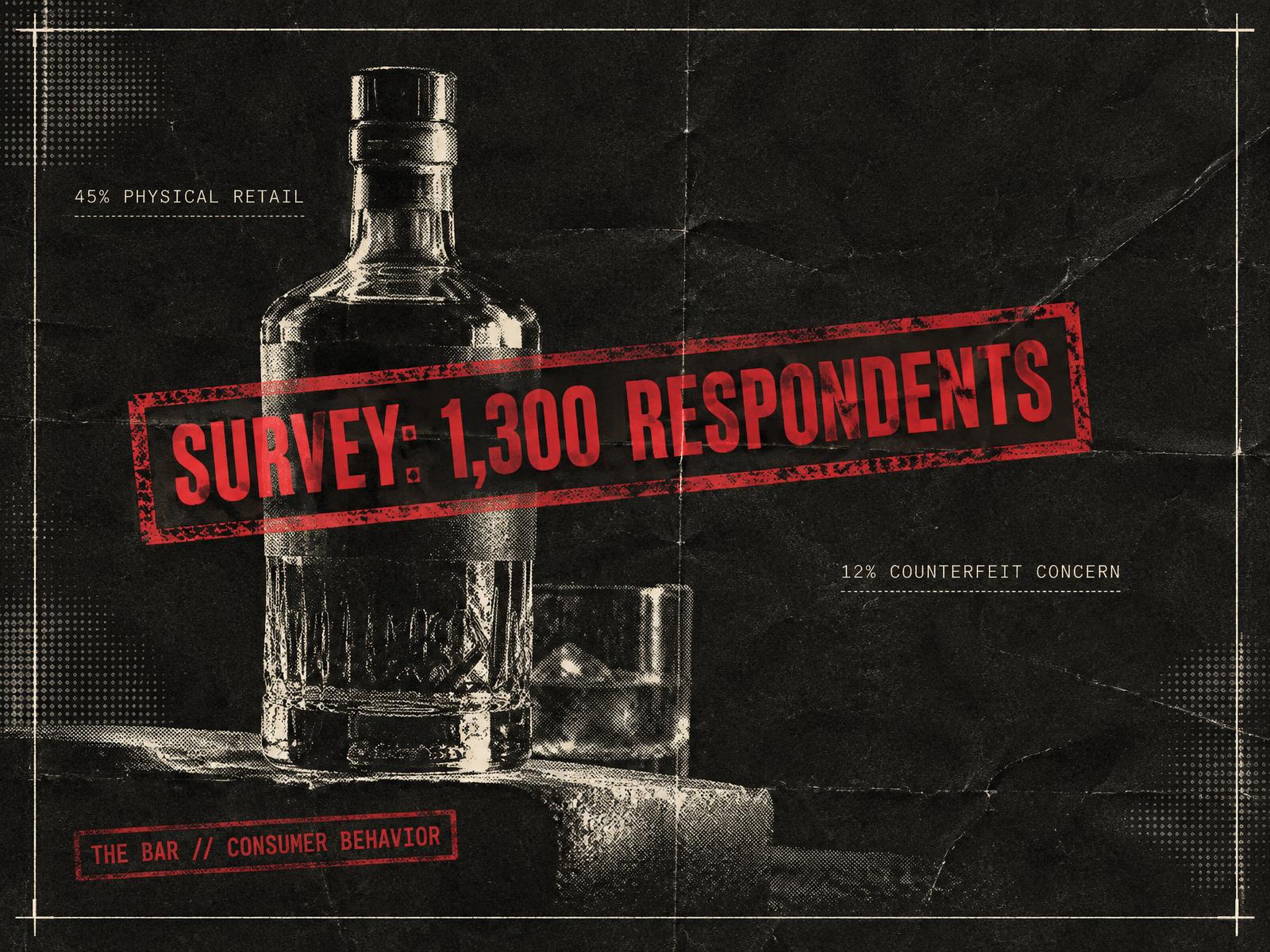
- Quantitative Survey: Large-scale digital survey application (1,300 respondents) collecting demographic data, consumption habits, purchase frequency, and e-commerce barriers.
- Qualitative Research: Open-ended response analysis focused on purchase abandonment reasons, counterfeit concerns, and delivery expectations.
4. Consumer Profile & Demographic Data
The respondent base revealed critical breakdowns regarding alcohol consumption and purchasing patterns in Brazil:
- Gender: The sample consisted of 54% men and 44% women (with 2% preferring not to state), demonstrating that online alcohol shopping is not restricted to a male demographic, requiring inclusive portfolio curation and messaging.
- Age Distribution: The primary e-commerce demographic concentrated between 25–34 years old (42%) and 35–44 years old (28%), followed by 18–24 years old (18%) and 45+ years old (12%).
- Geographic Concentration: Over 68% of respondents were concentrated in the Southeast Region, justifying a highly prioritized regional logistics and marketing focus.
5. Core Findings: Friction vs. Opportunity
A. Why do users abandon online purchases?
- Preference for Physical Retail (45% of mentions): The cultural habit of selecting bottles in-person, chilling them immediately, or completing purchases same-day still dominates.
- Shipping & Delivery Friction: 22% identified long delivery lead times as a dealbreaker, and 18% highlighted the burden of paying for shipping, which often offsets promotional product pricing.
- Counterfeit Concerns (12% of mentions): A critical trust factor. Consumers explicitly expressed fear of purchasing counterfeit or tampered spirits on unfamiliar websites.
B. Value Drivers & Purchase Motivations
For active online buyers, the primary motivators mapped were:
- Convenience & Comfort: 58% cited “not having to leave home” as the primary driver.
- Savings & Incentives: 42% highlighted the search for “lower prices” and “promotions/discount coupons.”
- Portfolio Variety: 31% sought easy access to premium labels, limited editions, and gin/whisky cocktail kits not available in local neighborhood supermarkets.
6. Actionable Insights & Strategic UX Directives
1. Logistics & Shipping Transparency
Implement shipping calculators and estimated delivery dates directly on the homepage or product listing pages (prior to checkout), reducing late-stage cart abandonment. Prominently display threshold rules for free shipping (e.g., orders above R$ 300).
2. Brand Authority (Authenticity Badge)
Given that 12% of users expressed fear of counterfeit products, the UI must display prominent origin guarantee badges (“Diageo Official Store” / “Direct from Manufacturer”) visible across the header, product cards, and checkout flow.
3. Occasion-Driven Information Architecture
Qualitative data indicated many users purchase with “weekend home cocktail making” in mind. Designing homepage navigation shortcuts based on occasions (e.g., “Gin & Tonic Kit,” “Barbecue Night,” “Wine Evening”) accelerates decision-making and reduces browsing friction.
Mais do Murilo